Catégories
Marques
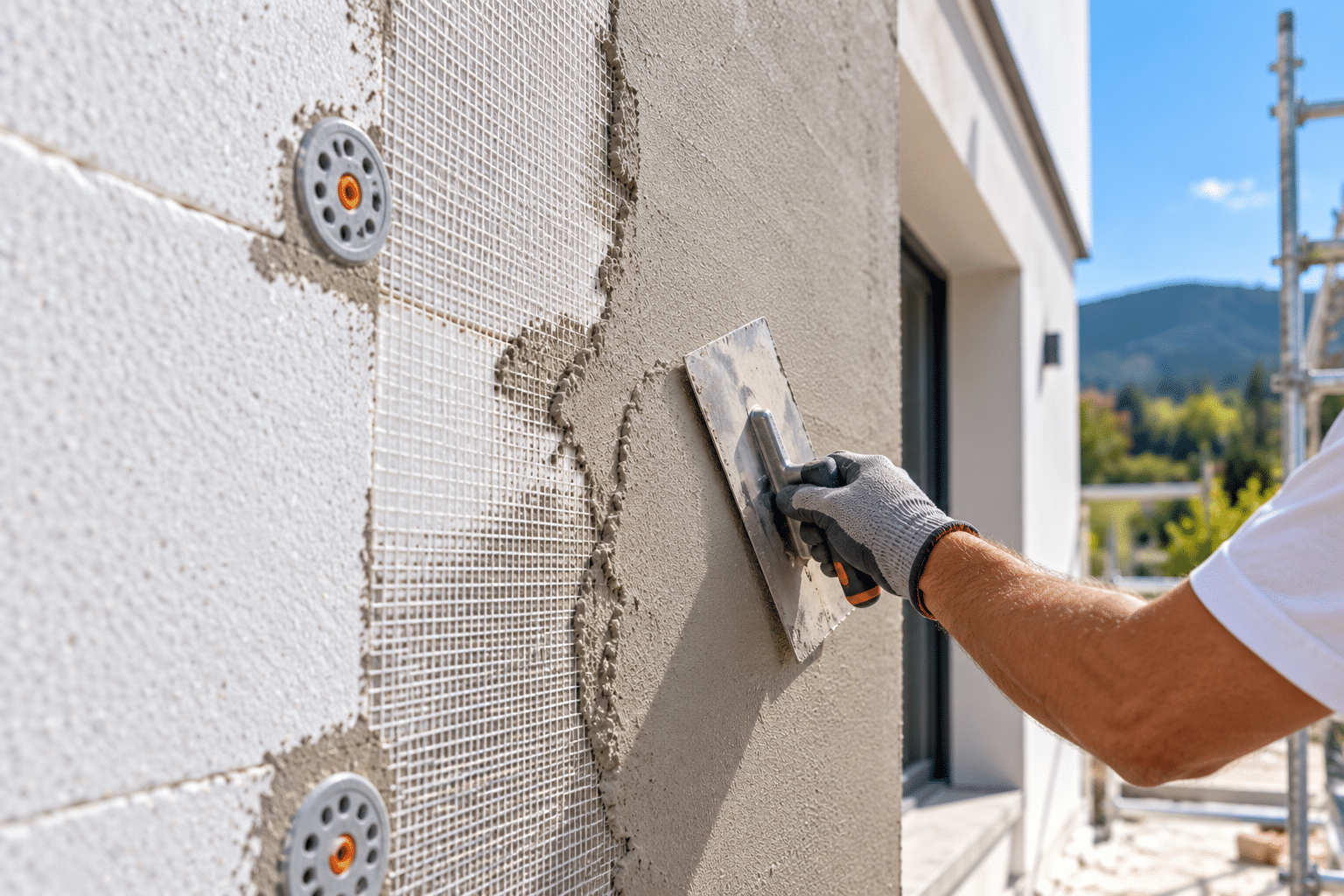
An external thermal insulation system (ETIS ) uses an adhesive mortar that serves two purposes: to bond the insulation boards to their substrate, and then to act as a base coat for covering the fibreglass mesh prior to the final finish. Two formulations cover most requirements, based on white cement or lightweight natural hydraulic lime, supplemented by a versatile adhesive-filler for ancillary finishing work on site.
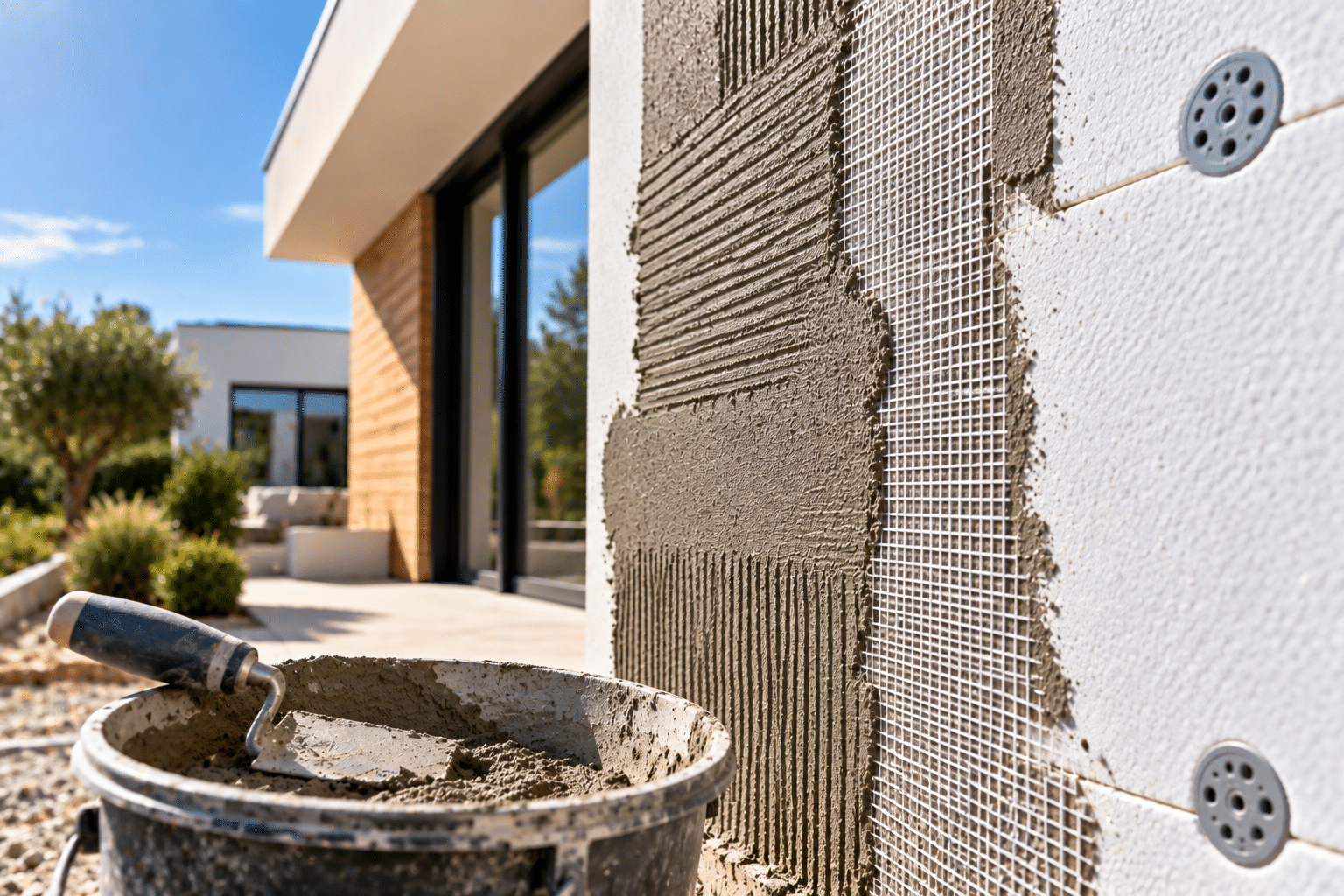
The adhesive mortar used in external wall insulation fulfils two successive roles with the same formulation: firstly, it is used to bond the insulation panels to their substrate; then, once the panels are in place, it forms the reinforced base coat which holds and encases the fibreglass mesh before the façade finish is applied. This versatility simplifies the ordering of materials, as a single product covers both stages of the structural work involved in an external wall insulation system. Common formulations are compatible with the main insulation materials on the market – expanded polystyrene, extruded polystyrene and mineral wool – in both new-build and energy-efficient refurbishment projects. The application process always follows the same procedure: mixing the powdered mortar with the recommended amount of water, applying it to a clean, sound and dry substrate, ensuring the working time is observed before setting, then carefully embedding the mesh into the still-fresh layer. Frost, rain and extreme heat should be avoided during application and drying.
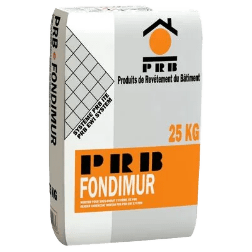
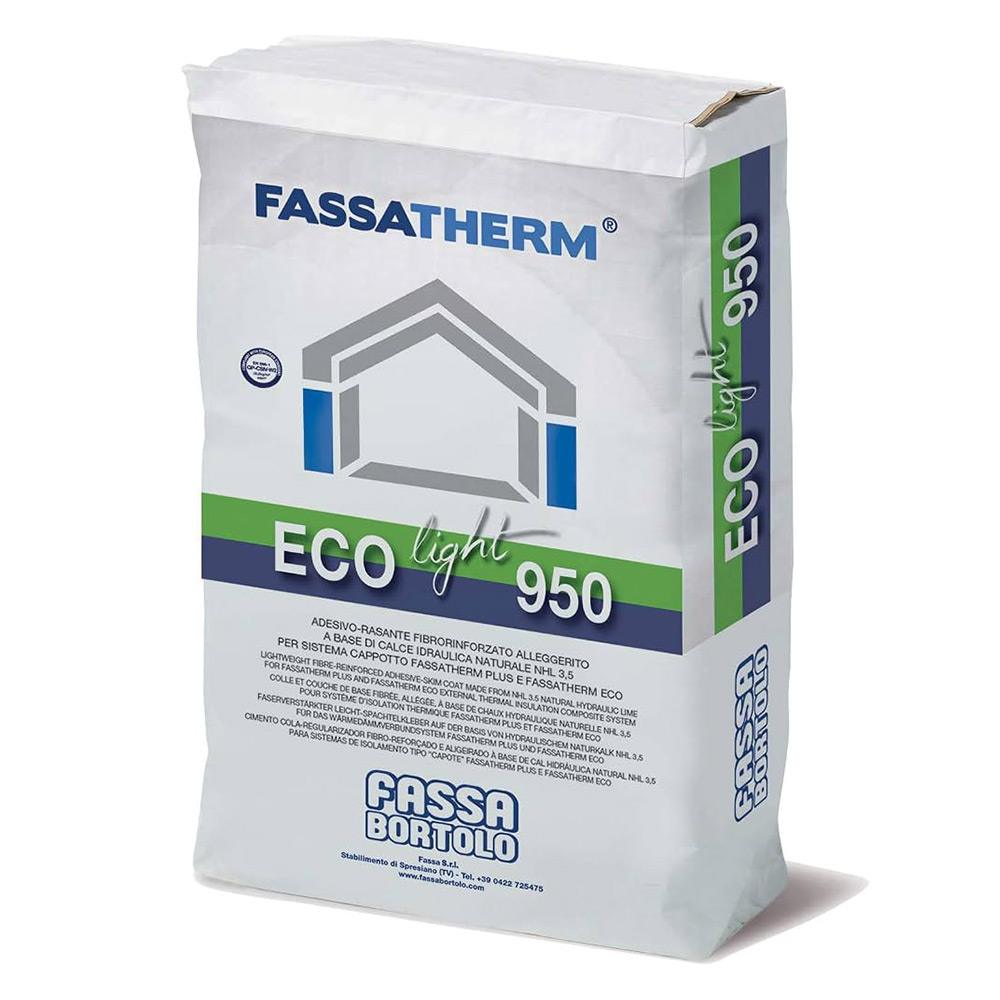
This white cement-based formulation offers proven adhesion and good workability, with a light colour that provides the ideal base for the lightest finishing plasters. It is suitable for the majority of external thermal insulation projects, in both new-build and renovation work. The lighter version, made with natural hydraulic lime (NHL 3.5), is designed for façades that need to remain breathable, facilitating the exchange of water vapour through the wall: a particularly important consideration when renovating old buildings or on substrates sensitive to damp. Both mortars are applied in the same way, either by hand or by machine depending on site practice, and are supplied in 25 kg bags. Alongside these adhesive mortars, a versatile polymer-based adhesive sealant completes the range for ancillary bonding and waterproofing work on external thermal insulation (ITE) projects – such as joints, profiles or finishing elements – without affecting the structural bonding of the insulation boards themselves.