Catégories
Marques
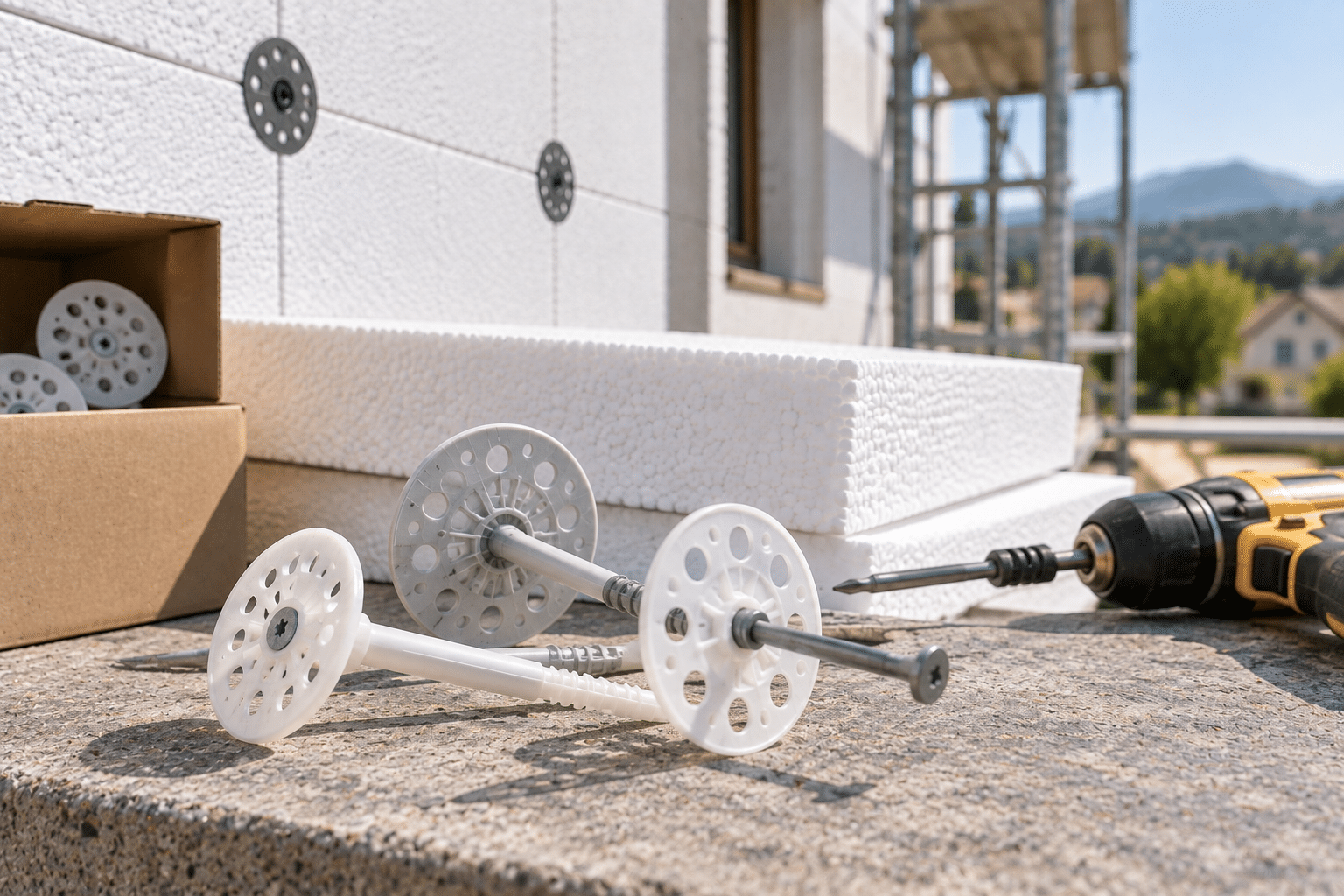
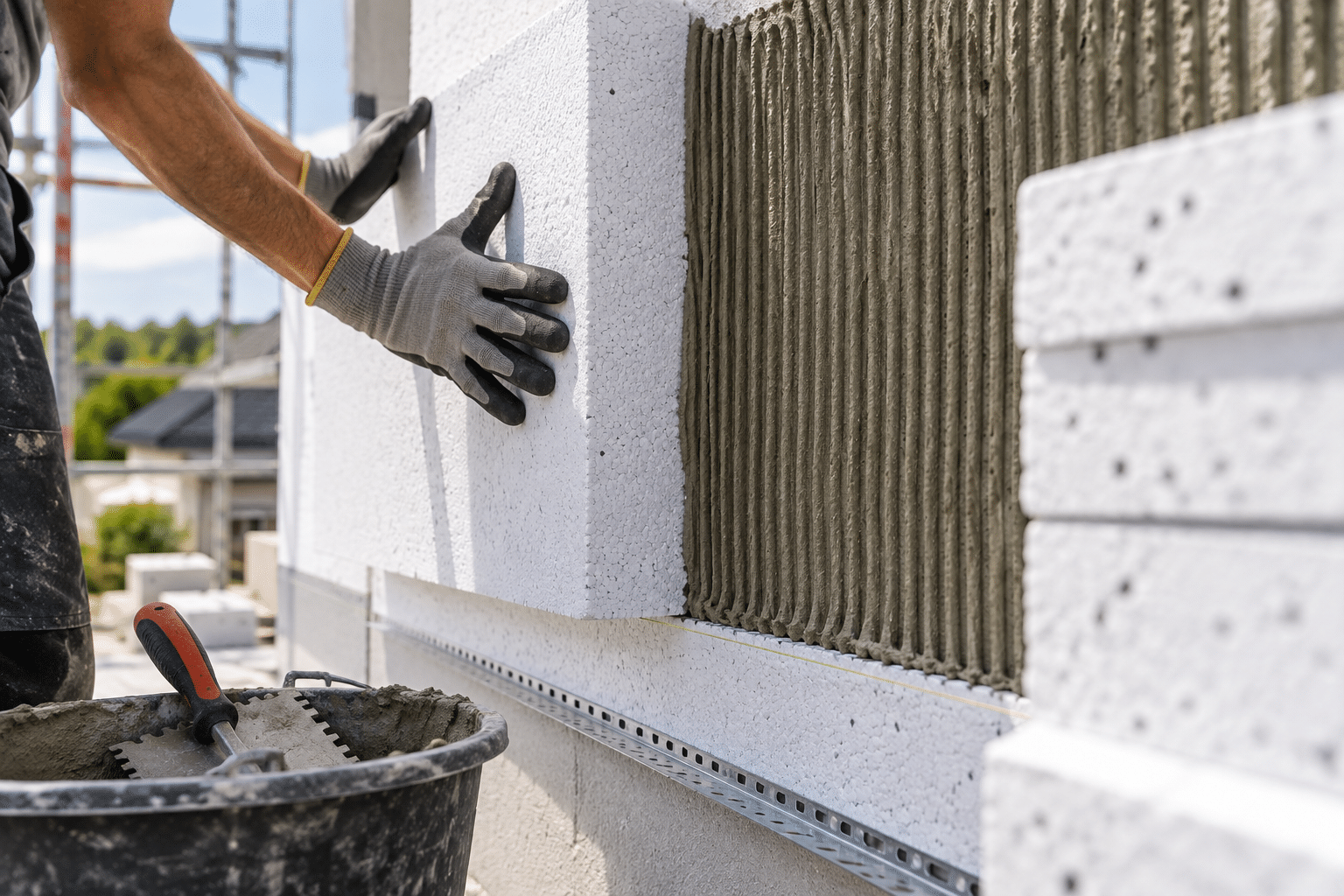
Fixing an insulation panel to a façade involves more than just bonding: additional mechanical fixing, using wall plugs, absorbs the wind-induced negative pressure loads throughout the system’s service life. Hammer-in anchors with metal nails, helical anchors and fixing rosettes meet the requirements of an external thermal insulation (ETI) project, from concrete substrates to hollow masonry, in both new-build and energy-efficient refurbishment projects.

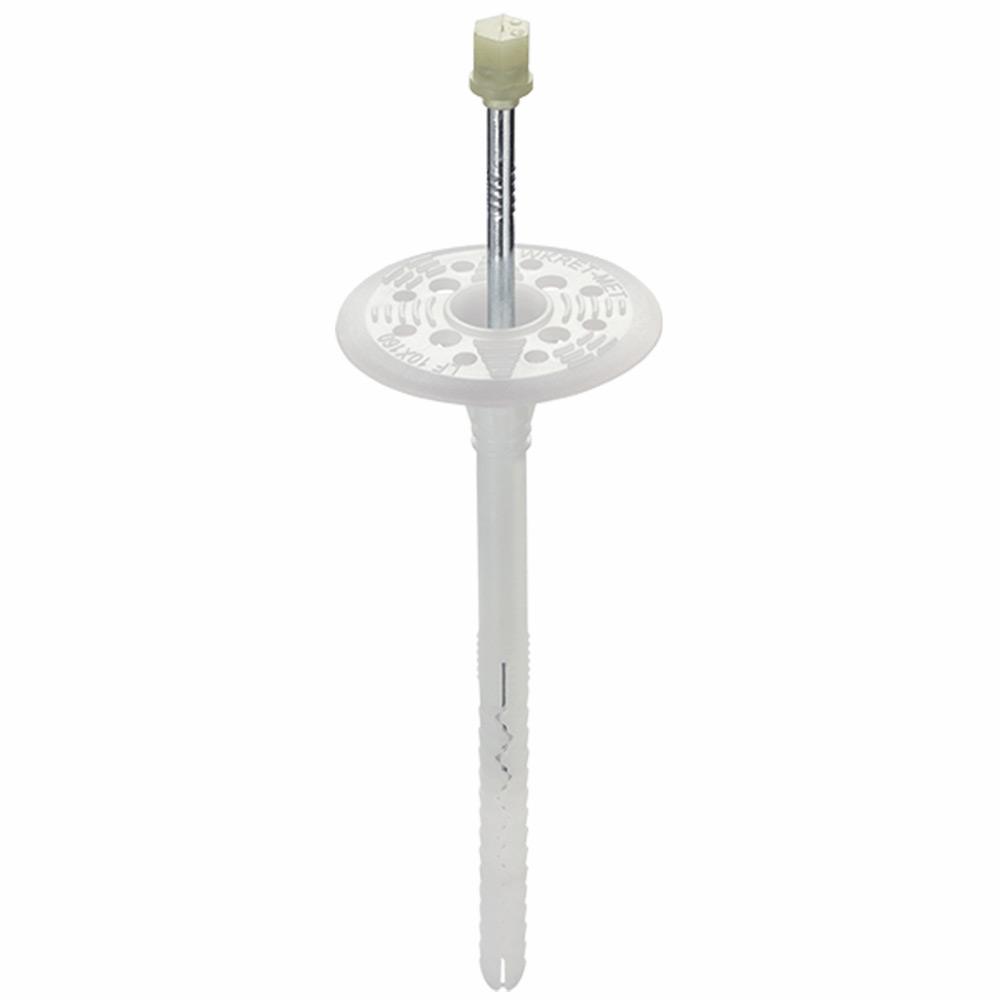
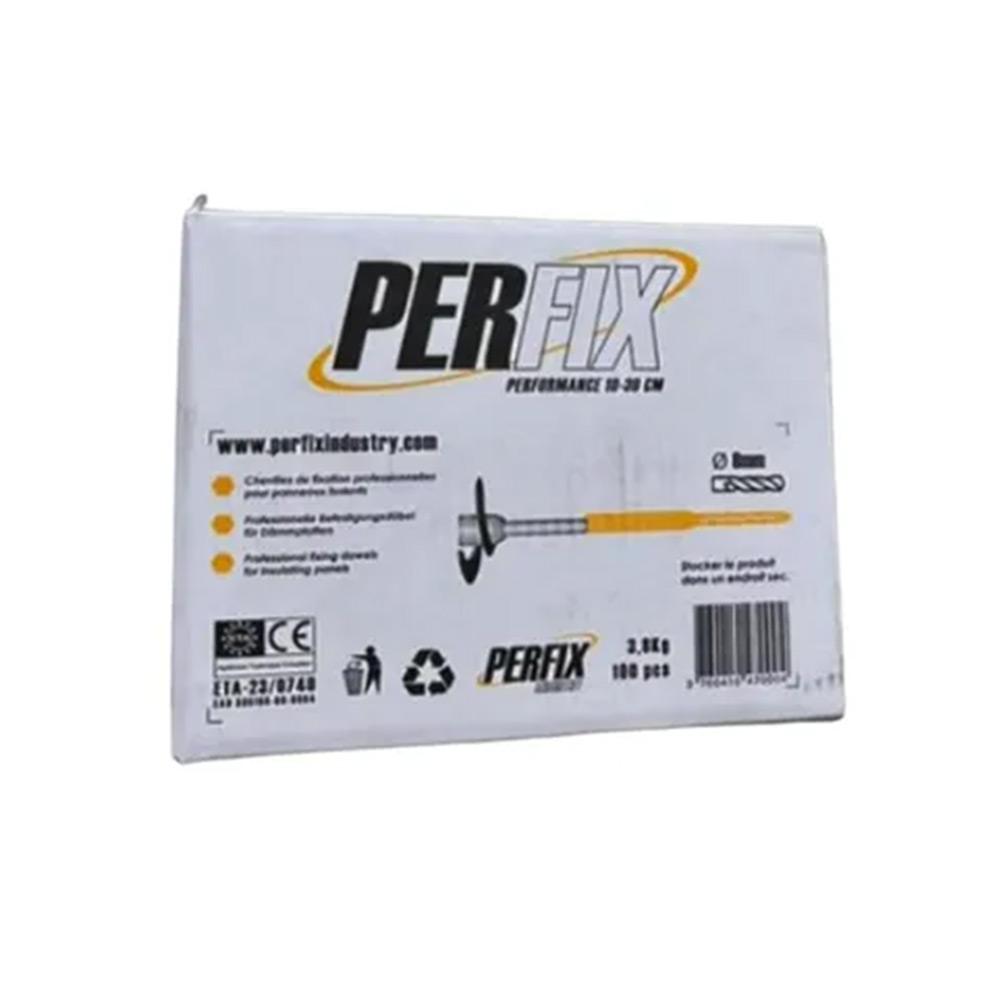
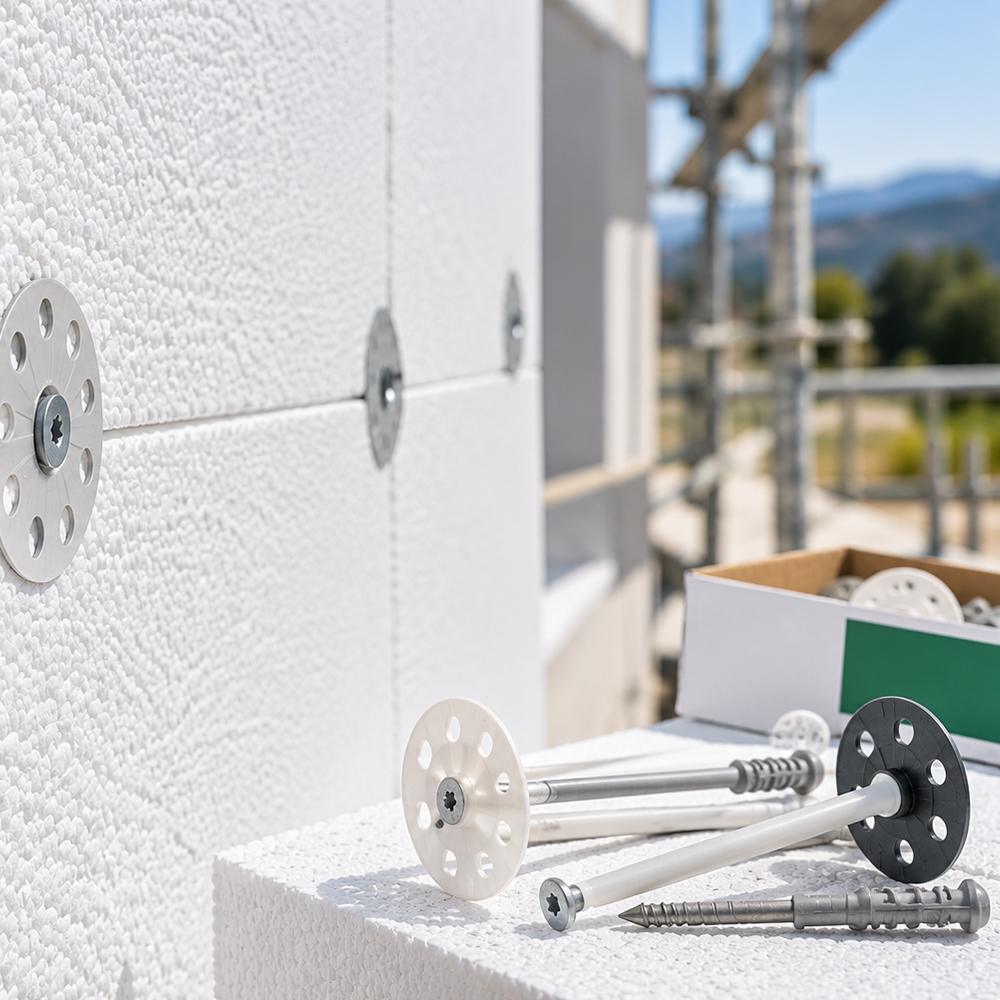
Hammer-in anchors consist of a plastic body and a metal nail that is driven in with a hammer once the anchor has been inserted into a hole drilled perpendicular to the substrate. Designed to withstand wind suction loads – but never the dead weight of the insulation system itself – they can be installed on ordinary concrete, solid, hollow or perforated masonry, lightweight aggregate concrete or autoclaved aerated concrete, depending on the category of substrate covered by their technical assessment. Two installation methods are possible: for surface mounting, the flange sits flush with the render; for recessed mounting, a recess milled into the insulation houses the flange beneath an insulation plug for a flush finish, thereby preventing any hotspots or visible marks once the façade has been painted. The length to be selected depends directly on the thickness of the insulation installed and the required anchoring depth in the substrate: the thicker the insulation, the longer the anchor must be, with ranges covering standard thicknesses up to several tens of centimetres. The number of wall plugs per panel – generally between 3 and 9, depending on the site’s wind exposure and the height of the building – is determined by the fixing plan for the chosen ETICS system, without ever falling below the specified minimums or placing the anchors closer than 150 mm from the edge of the panels. A stock of various lengths allows for coverage of edges, corners and standard areas within the same building site.
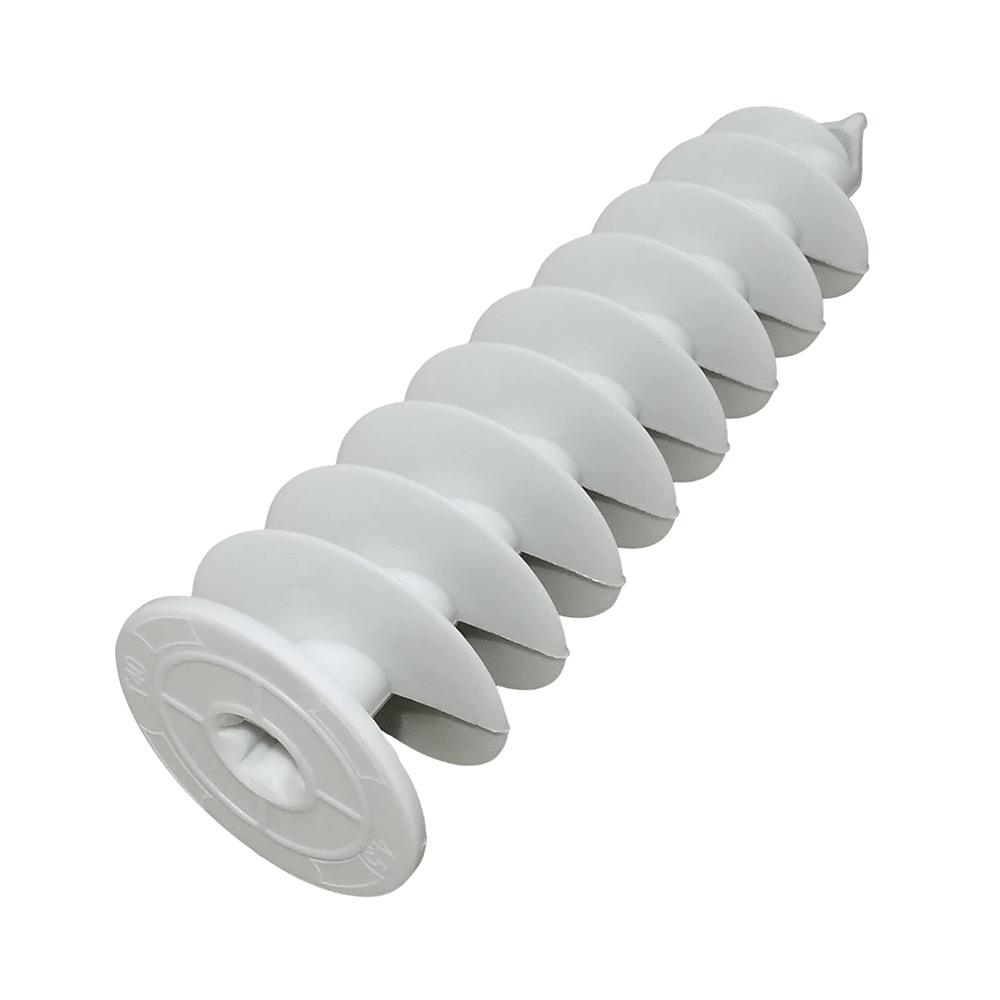
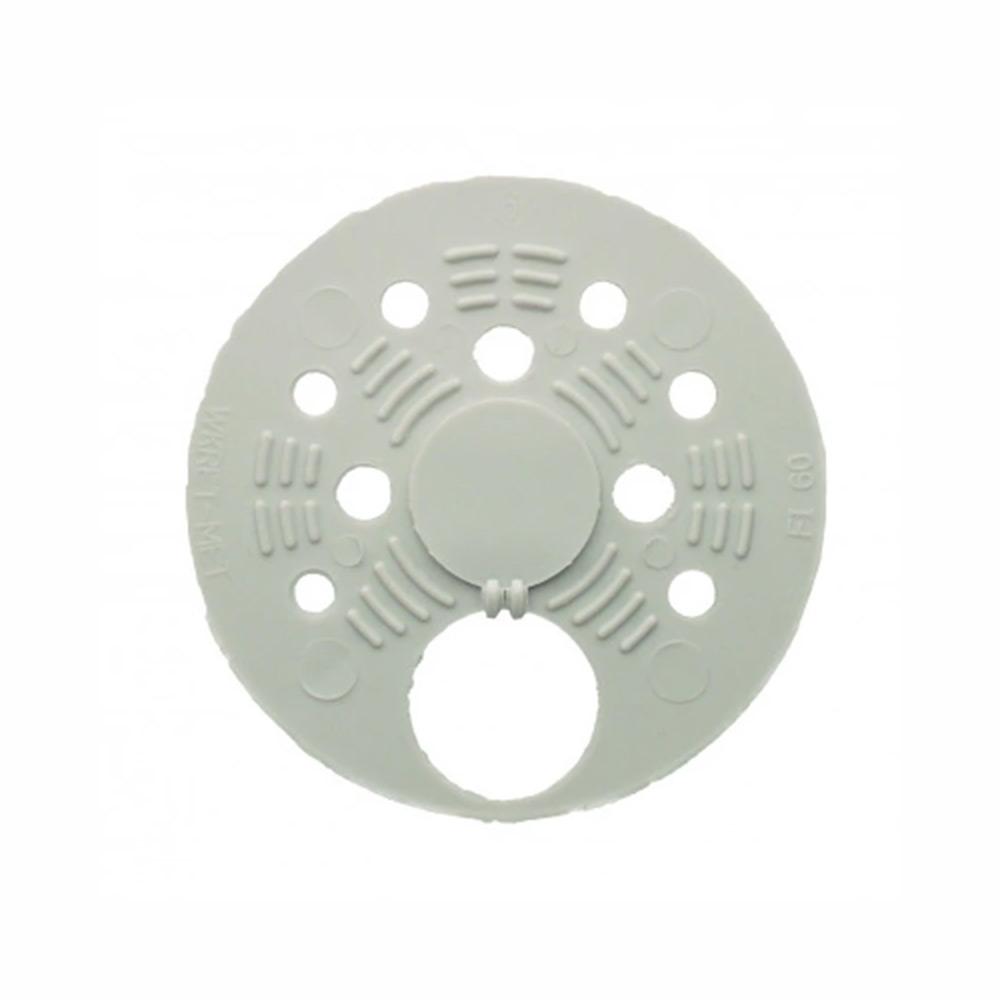
For building sites seeking a quicker, dust-free installation, a helical anchor is screwed directly into the substrate through the insulation, without first drilling a hole for the anchor body: its helical thread grips the substrate as it is screwed in, reducing installation time and minimising drilling dust, which is a real benefit on busy or renovation sites. A PVC fixing rosette with an integrated cover conceals the heads of the timber screws used when fitting accessories or additional framing to the insulated façade, ensuring a clean finish with no visible screws and preventing water ingress behind the fixed accessory. These solutions usefully complement the stock of hammer-in anchors for specific points and finishing touches on an external thermal insulation (ITE) project, whether for discreetly fixing a service box, a ventilation grille or a rainwater downpipe bracket.